
Hair Loss After Bariatric Surgery: Causes, Timeline, & How to Prevent It
Table of Contents
Hair loss is one of the most commonly searched concerns after bariatric surgery and one of the most misunderstood. If you’re considering weight loss surgery such as gastric sleeve or gastric bypass, you may be wondering:
- Will I lose my hair?
- Is hair loss permanent after bariatric surgery?
- Can hair loss be prevented?
The reassuring answer is this:
Hair loss after bariatric surgery is common, temporary, and treatable for most patients
This guide explains what causes hair loss after bariatric surgery, when it usually happens, and what you can do to support hair regrowth.
Is Hair Loss Common After Bariatric Surgery?
- Major surgical procedures
- Rapid weight loss
- Significant physical or metabolic stress
Hair loss does not mean the surgery failed or that something is permanently wrong.
When Does Hair Loss Start After Bariatric Surgery?
- Begins: 3–4 months after surgery
- Peaks: 4–6 months
- Improves: by 6–9 months
- Regrowth: hair gradually returns as nutrition stabilizes
This pattern is typical for hair loss after bariatric surgery and reflects how the body responds to surgical stress and rapid weight changes.
Is Hair Loss Permanent After Bariatric Surgery?
No. There is no evidence of permanent hair loss caused by bariatric surgery in medical studies.
Why Does Hair Loss Happen After Weight Loss Surgery?
- Rapid weight loss
- The physical stress of surgery
- Reduced calorie intake early after surgery
- Temporary vitamin and mineral deficiencies
Among all factors studied, nutritional deficiencies, especially iron and protein, are the strongest predictors of hair loss after bariatric surgery.
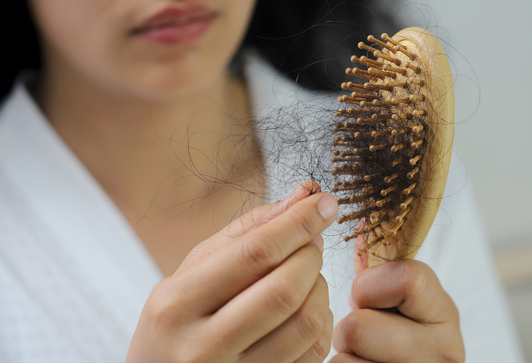
Nutritional Deficiencies Linked to Hair Loss After Bariatric Surgery
Iron Deficiency (Most Important)
Iron deficiency is extremely common after bariatric surgery.
- Up to 70% of patients may develop iron deficiency in long-term follow-up
- Patients with hair loss often have lower hemoglobin and ferritin levels
- Low iron limits oxygen delivery to hair follicles, slowing growth
Iron deficiency is one of the first things bariatric teams evaluate when hair loss occurs.
Protein Deficiency
Hair is made of protein. If intake is too low, the body prioritizes vital organs over hair growth.
Low protein levels increase the risk of hair shedding
- Early drops in protein after surgery can predict later hair loss
- Most patients are advised to consume 60–80 grams of protein per day
Meeting protein goals is one of the most effective ways to reduce hair loss.
Zinc Deficiency
Zinc supports hair follicle structure and repair.
- Zinc deficiency can occur in up to half of patients, depending on surgery type
- Many patients with hair loss have zinc levels that are “low-normal”
- Zinc works closely with iron—combined deficiencies increase risk
Folic Acid (Folate)
Folate supports rapid cell turnover, including hair follicles.
- Deficiency is common around 6 months post-surgery
- Lower folate levels are frequently seen in patients with hair loss
- Especially important for women of childbearing age
Calcium and Vitamin D
Calcium does not directly cause hair loss, but early changes after surgery are associated with later hair thinning, highlighting the importance of overall nutritional balance.
Can Hair Loss After Bariatric Surgery Be Prevented?
Hair loss cannot always be fully prevented, but it can often be reduced and shortened.
What Helps Most:
- Daily bariatric multivitamins (no skipped doses)
- Adequate protein intake every day
- Routine lab monitoring
- Hydration
- Gentle hair care (avoid tight styles, harsh treatments, excess heat)
Consistency matters more than supplements alone.
How Bariatric Teams Monitor Hair Loss
Before and after surgery, bariatric programs typically monitor:
- Iron studies (iron, ferritin, transferrin saturation)
- Protein levels (albumin)
- Vitamin B12 and folate
- Zinc (especially if hair loss occurs)
- Calcium and vitamin D
If deficiencies are found:
- Supplements are adjusted
- Zinc is paired with copper to prevent imbalance
- Severe iron deficiency may require IV iron
Many programs now personalize supplementation based on lab results rather than using a one-size-fits-all approach.
This proactive monitoring helps identify and address the nutritional causes of hair loss after bariatric surgery before symptoms worsen.
When Should You Contact Your Bariatric Team?
You should reach out if:
- Hair loss lasts longer than 8–9 months
- You feel unusually tired, weak, or dizzy
- You are struggling to meet protein goals
- You missed follow-up lab testing
Hair loss is often an early warning sign that nutritional support needs adjustment.
The Bottom Line
Hair loss after bariatric surgery is:
- Common
- Temporary
- Reversible
With proper nutrition, supplements, and follow-up care, hair regrowth is the norm.
If you are researching bariatric surgery and have questions or concerns about side effects like hair loss, our team is here to help. Reach out to our bariatric specialists to get clear answers, personalized guidance, and support before surgery and throughout your long term journey.



 EN
EN  ES
ES