
Gastric Sleeve Recovery Timeline: What to Expect After Surgery (Week by Week)
Table of Contents
If you’re researching gastric sleeve surgery, one of the most common questions is:
“What is the gastric sleeve recovery timeline? How long will it take to feel normal again?”
The short answer:
Most patients recover faster and easier than they expect, especially with modern minimally invasive techniques.
This guide walks you through the gastric sleeve recovery timeline, step by step, so you know exactly what to expect after surgery. We’ll cover all aspects including physical, mental, and practical.
What Is Gastric Sleeve Surgery?
Gastric sleeve surgery (also called sleeve gastrectomy) is a minimally invasive weight-loss surgery where about 75–80% of the stomach is removed. The remaining stomach is shaped like a sleeve. This helps you:
- Feel full sooner
- Eat smaller portions
- Reduce hunger hormones
- Lose weight safely over time
Because the procedure is minimally invasive, gastric sleeve recovery is typically faster and smoother than many patients expect.
Gastric Sleeve Recovery Timeline
Gastric sleeve recovery follows a predictable timeline, with each stage focused on healing, adjustment, and building healthy habits. Knowing what comes next can help you feel more confident as you move through recovery.
Day 0-2 after Gastric Sleeve Surgery
Typical hospital stay:
- Same day or 1 night for most patients
- Rarely 2 nights if extra monitoring is needed
What happens during this time:
- Walking within hours of surgery
- Drinking small sips of clear liquids
- Pain is usually soreness or pressure, not sharp pain
Common reasons for a longer stay:
- Nausea or vomiting
- Difficulty drinking fluids
- Medical conditions such as sleep apnea
- Pain control adjustments
👉 Goal: Hydration, walking, and rest.
Week 1 in the Gastric Sleeve Recovery Timeline
What’s normal:
- Fatigue
- Mild to moderate abdominal soreness
- Gas pain or shoulder discomfort
- Needing frequent naps
Diet:
- Clear liquids → full liquids
- Protein shakes
- No solid foods
- No carbonation
Activity:
- Short walks multiple times a day
- No lifting or strenuous activity
💡 Important: Dehydration is the most common early issue. Sip fluids all day, even if you don’t feel thirsty.
Weeks 2–3 after Gastric Sleeve Surgery
“I finally feel like myself again.”
Improvements you’ll notice:
- Energy slowly returning
- Pain significantly reduced or gone
- Drinking fluids becomes easier
- Less dependence on naps
Diet:
- Soft or pureed foods (per your program)
- Still avoiding bread, rice, tough meats, and carbonation
Returning to work:
- Desk jobs: 1–2 weeks
- Physical jobs: 3 weeks, sometimes longer
Months 1-3 in the Gastric Sleeve Recovery Timeline
What patients experience:
- Rapid and noticeable weight loss
- Smaller appetite
- Early fullness
- Improved blood sugar, blood pressure, and energy
Activity:
- Walking regularly
- Gradual return to exercise
- Building habits that support long-term success
Consistency matters more than intensity.
Gastric Sleeve Weight Loss Timeline
Weight loss after gastric sleeve surgery happens in phases.
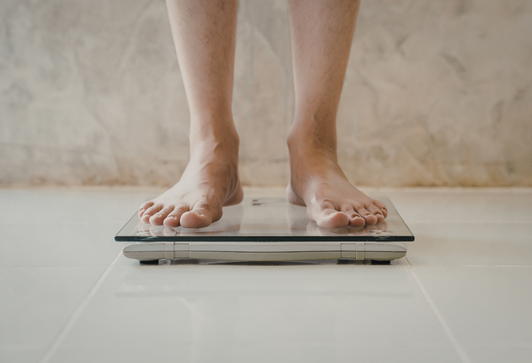
First 3–6 months:
- Fastest weight loss
- Major clothing size changes
6–12 months:
- Continued, steady weight loss
- Appetite regulation improves
12–18 months:
- Weight loss slows
- Body reaches lowest weight
Most patients lose 60–75% of excess weight, with maximum weight loss usually around 12–15 months after surgery.
When Can You Return to Normal Activities?
Most patients can:
- Drive once off prescription pain medication
- Resume light daily activities within 1–2 weeks
- Return to exercise gradually after clearance
Heavy lifting and intense workouts typically wait 4–6 weeks, depending on healing.
Possible Complications: What to Watch For
Contact your team if you experience:
- Persistent vomiting
- Inability to keep fluids down
- Fever
- Severe or worsening abdominal pain
- Dizziness or very dark urine
Long-term considerations:
- Acid reflux
- Food intolerance
- Vitamin deficiencies
- Temporary hair thinning (often months 3–6)
Most of these are manageable with follow-up and guidance.
Long-Term Results After Gastric Sleeve Surgery
- Type 2 diabetes
- Sleep apnea
- High cholesterol
- Joint pain
- Mobility and quality of life
Some weight regain over time is normal and does not mean failure. Patients who maintain regular follow-up, hydration, protein intake, and activity have the best long-term outcomes.
How to Maximize Your Recovery and Results
- Sipping fluids all day
- Walking daily
- Following your nutrition stages
- Taking prescribed vitamins
- Attending follow-up appointments
Your surgical team is part of your success, be sure to stay connected.
Final Thoughts
The gastric sleeve recovery timeline is usually smoother and faster than expected. While every patient is different, most people are surprised by how quickly they return to daily life and how much better they begin to feel.
If you are considering gastric sleeve surgery, having accurate expectations and the right support makes all the difference. Our team is here to answer your questions, talk through what gastric sleeve recovery time may look like for you, and help you decide if this surgery is the right fit. Reach out to our team to schedule a consultation and take the next step with confidence.



 EN
EN  ES
ES